Roof Lantern Systems: Energy-Efficient Natural Light Solutions
Contemporary Roof Lanterns: An Outstanding Fusion of Aesthetics and Utility
Modern roof lanterns function as a striking fusion of aesthetic appeal and functional benefit. They boost natural brightness in living areas while furthering energy conservation. Considering varied styles and substances on the market, homeowners can locate selections that suit their unique desires and requirements. Nonetheless, the decision process can be complicated. Grasping how to determine and mount the right lantern can make a considerable difference in both visual quality and operability.
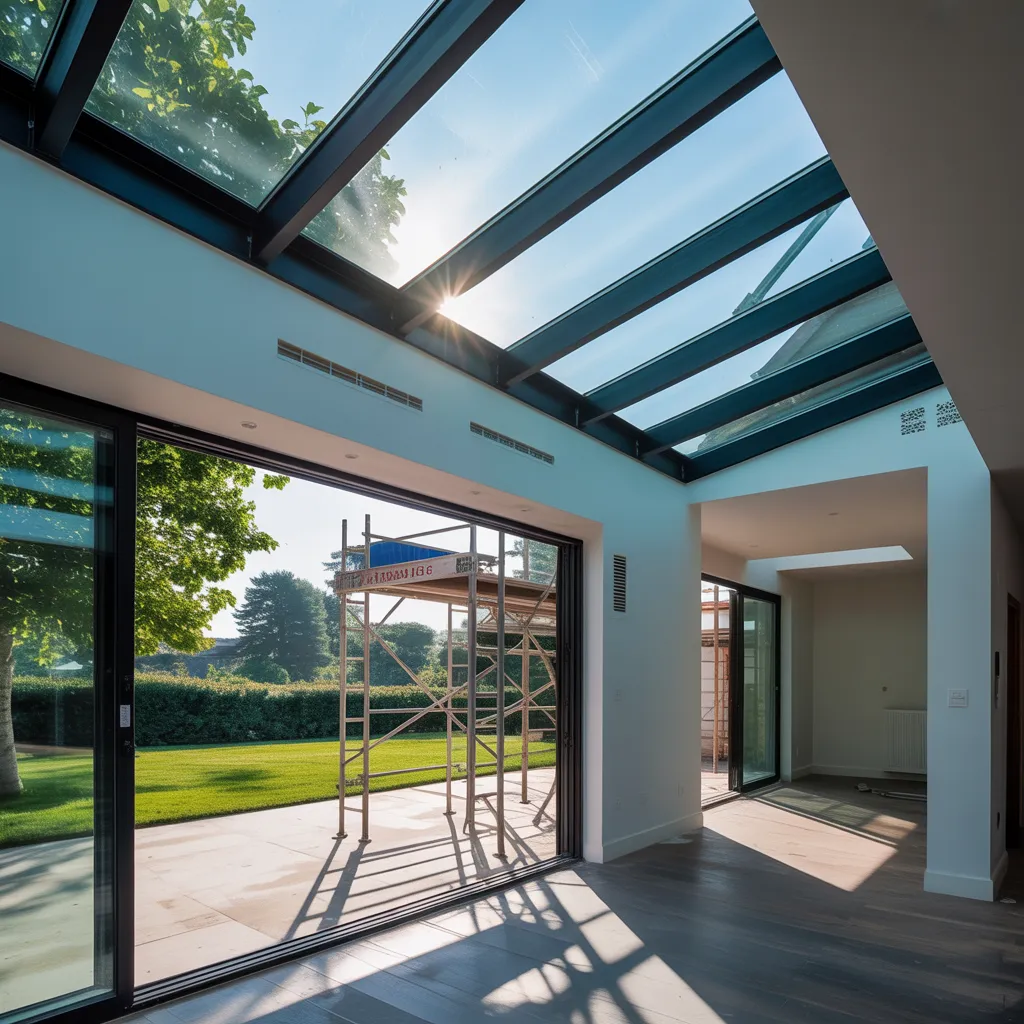
Roof Lanterns: Brightening Your Space While Conserving Energy
Many homeowners are discovering how roof lanterns can considerably improve daylight in their dwellings while promoting energy efficiency. These architectural features allow sunlight to penetrate deeper into interiors, lessening dependence on artificial lighting during the day. As a result, homes become more illuminated and more inviting, fostering a warm atmosphere for family events and daily activities.
In addition, roof lanterns can substantially support energy efficiency. By utilizing natural light, they reduce electricity bills and decrease the carbon footprint. Enhanced daylight also supports controlling indoor temperatures, minimizing the need for heating and cooling systems.
The deliberate placement of roof lanterns can maximize light distribution, guaranteeing uniform illumination throughout the room. With varied designs available, homeowners can smoothly integrate these features into their existing architecture, promoting a harmonious blend of aesthetics and utility. Ultimately, roof lanterns embody a sustainable choice for modern living spaces.
Determining the Optimal Style for Your Living Space
Determining the right style of roof lantern is important for enhancing a home's visual appeal. Alignment with the architectural style and careful evaluation of material and finish options can substantially affect the overall look and feel. Thoughtful selections in these areas guarantee that the roof lantern enhances the existing design while offering functional advantages.
Architectural Form Compatibility
Selecting the right architectural style for a roof lantern can considerably boost the overall look of a dwelling. It is essential to ensure compatibility with existing architectural elements; for instance, a minimalist lantern works well with contemporary designs, whereas ornate styles harmonize with traditional homes. Victorian or Edwardian buildings gain decorative lanterns that reflect their historical details, crafting a cohesive look. In contrast, a streamlined roof lantern fits modern constructions, highlighting clean lines and open areas. Bungalows or craftsman-style houses often choose lanterns that incorporate natural materials and simpler shapes, matching their earthy charm. Ultimately, selecting a roof lantern that fits the home's overall design not only elevates its look but also reinforces architectural coherence and character.
Material and Finish Possibilities
While analyzing material and surface options for roof lanterns, homeowners must consider carefully how these choices determine both visual quality and practical function. Widely-used materials include aluminum, timber, and uPVC, each furnishing distinct advantages. Aluminum is lightweight and resistant to corrosion, making it a durable option for modern designs. Timber, while elegant and warm, necessitates periodic upkeep to preserve its luster. uPVC furnishes a reasonably-priced possibility, offering low maintenance without sacrificing visual appeal.
Finish options, such as powder application or anodizing for aluminum, improve durability and allow for various color possibilities. Wood surfaces can range from natural stains to finished surfaces, delivering adaptability. Ultimately, selecting the appropriate substance and surface not only boosts the roof lantern's aesthetic charm but also ensures longevity and performance in any home setting.
Essential Guidelines for Installing Your Roof Lantern
Installing a roof lantern can enhance a space, flooding it with ambient light and improving its overall appearance. To guarantee a successful installation, careful consideration is essential. First, inspect the structural capacity of the roof to support the lantern's weight. Next, choose the right scale and aesthetic that complements the existing architecture.
Before installation, collect all necessary tools and materials. Adequate sealing is vital to prevent leaks; use high-quality silicone or flashing tape around the edges. It is advisable to work with a assistant, as handling large panels can be difficult. Additionally, verify that the lantern is properly aligned with the roof's pitch to facilitate drainage.

Finally, consider the placement of electrical wiring if incorporating lighting. Following these tips will produce a well-installed roof lantern that improves both light and style, creating a welcoming atmosphere in any space.
Caring for Your Roof Lanterns: Tips for Long-Lasting Results
Maintaining roof windows is essential for guaranteeing their durability and ideal performance. Consistent maintenance is important; dirt and debris can obstruct light and affect aesthetics. Homeowners should use a gentle rag and a mild window cleaner to avoid scratching the surface. Inspecting seals and joints periodically helps prevent leaks that could harm the indoor area. If any signs of wear appear, prompt maintenance can avoid expensive replacements in the future.
Additionally, ensuring proper drainage around the lantern prevents water accumulation, which can lead to structural issues. During seasonal changes, checking for any damaged connections or structural soundness is advantageous. It's also advisable to trim surrounding foliage to reduce debris buildup. Finally, considering professional maintenance every few years can provide a thorough inspection and maintenance that guarantees the roof lantern remains a beautiful and functional feature of the home for years to come.
Motivating Transformations With Roof Lanterns
In what ways can roof lanterns transform a space into a stunning focal point? These structural elements strengthen both visual beauty and functionality, allowing natural light to flood interiors while creating a sense of airiness. By installing a roof lantern, homeowners can enhance the ambiance of living areas, kitchens, or even hallways.
Contemporary aesthetics on the market today address multiple design approaches, from sleek minimalism to traditional elaborate styles. This adaptability suggests roof lanterns can seamlessly integrate into any home, expressing personal style while boosting home value.
Beyond their attractive appearance, roof lanterns deliver practical benefits. They boost airflow and reduce reliance on artificial lighting, contributing to an eco-friendly living environment.
In the end, the careful positioning of a roof lantern can prompt conversions that translate mundane areas into outstanding settings, making them not just efficient, but also enchanting places where families can come together and build precious memories.
Typical Blunders to Prevent When Going With Roof Lanterns
Selecting the appropriate skylight fixture can profoundly affect the complete success of the redesign shaped by these design principles. A typical mistake is neglecting size; an excessively oversized lantern can dominate a room, while one that is too small may fail to deliver adequate light. In turn, many disregard the importance of material quality. Opting for inferior materials can lead to complications with wear resistance and energy efficiency.
A frequent oversight is disregarding the aesthetic of the existing design. A skylight that clashes with the home's design can disrupt visual balance. Moreover, not accounting for the direction and placement can result in poor daylight throughout the day. Finally, not seeking professional help or depending entirely on DIY solutions can lead to improper installation, compromising both visual appeal and functionality. By preventing these errors, residents can ensure their roof lanterns enhance their living spaces effectively.
Often Posed Questions
Are Roof Lanterns Well-Suited with Flat Roofs?
Roof lanterns are undoubtedly fitting for level roof surfaces. They furnish ambient light and ventilation, enriching the design appeal of the space while guaranteeing sufficient drainage and structural robustness, making them a versatile choice for such designs.
What Materials Do Roof Lanterns Typically Come From?
Roof lanterns are usually made from materials comprised of aluminum, uPVC, and glass. These options deliver durability, energy efficiency, and aesthetic appeal, permitting a mix of modern design and practical functionality in various architectural settings.
Are Roof Lanterns Suitable for Cold Climates?
Yes, roof skylights may be used in cold climates. Proper insulation and high-quality materials ensure energy efficiency and durability, enabling them to withstand harsh weather conditions while providing natural light and visual charm.
In What Ways Do Roof Lanterns Shape Your Home's Selling Price?
Roof lanterns typically enhance home resale value by improving natural light and aesthetic appeal. Potential buyers often value the added design character, making homes with such features more desirable in competitive real estate markets.
Can you locate sustainable selections for roof lanterns?
Absolutely, energy-efficient solutions are obtainable for roof lanterns. Many makers supply models equipped with multiple glazing layers and low-emissivity coatings, which lessen access now heat loss and optimize overall energy performance in homes.